
.png)
Key Takeaways
- AI-powered automation transforms WhatsApp into a complete commerce engine, converting conversations into transactions and repeat sales.
- Intelligent workflows manage product discovery, cart recovery, and customer engagement 24/7 with personalized, data-driven precision.
- Unified CRM and payment integration deliver seamless in-chat checkout, better customer insights, and higher conversion rates.
- Flowcart’s all-in-one platform connects automation, commerce, and analytics—helping brands grow revenue while reducing manual effort.
Marketing is moving from one-way messages to real conversations.
Customers now expect fast, personal replies instead of generic broadcasts. WhatsApp is at the heart of this shift. Today, two-thirds of online adults prefer messaging apps for business communication.
The real opportunity goes beyond messaging. Brands can turn chats into sales and long-term relationships by:
- Guiding conversations with smart automation
- Shortening the steps to purchase
- Understanding what customers want, all inside WhatsApp
This is not about simple chatbots. It’s about meaningful, well-timed interactions that move customers closer to buying or staying loyal.
This guide explains how WhatsApp commerce works, why it matters for growth, and how Flowcart helps businesses turn conversations into measurable results.
What is AI in WhatsApp Commerce?
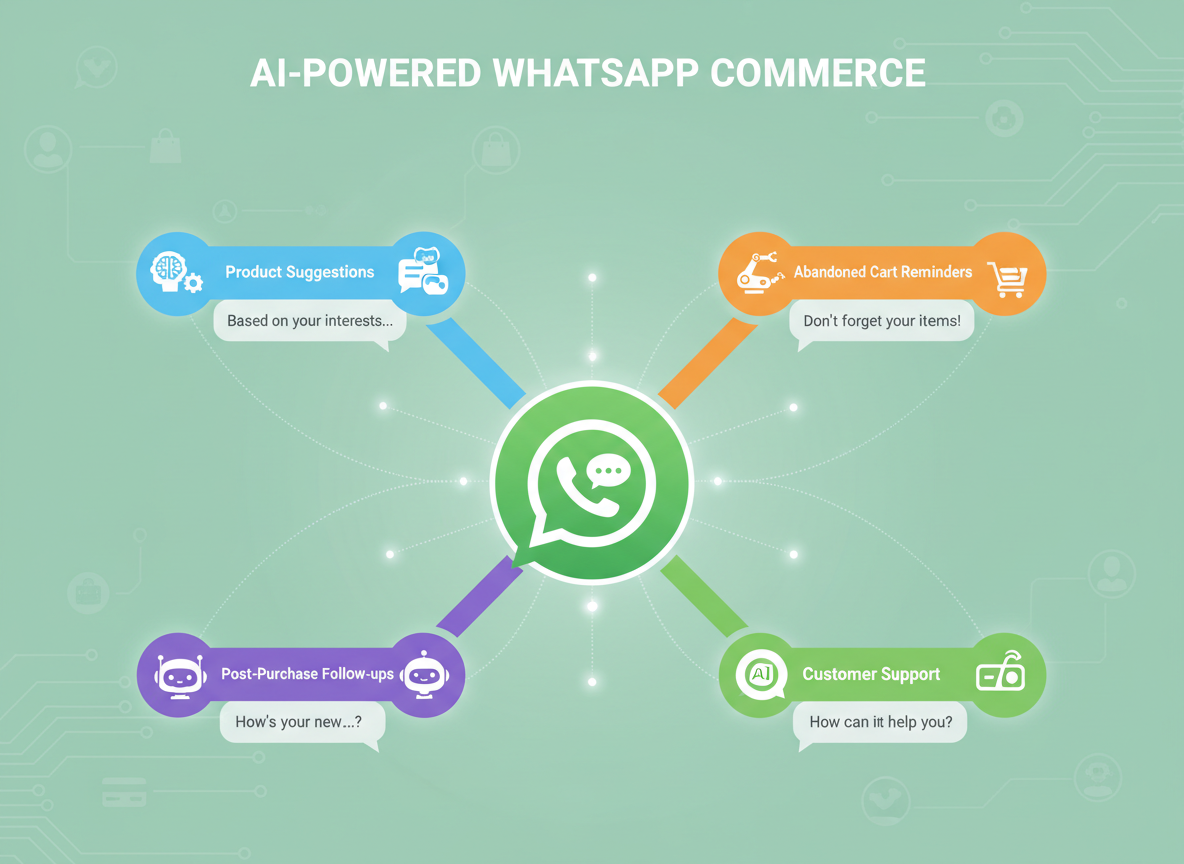
AI in WhatsApp commerce uses automation and data to make customer conversations faster, smarter, and more personal. It helps brands handle everything from product questions to checkout and post-purchase follow-ups all inside WhatsApp.
Unlike basic chatbots that follow fixed scripts, intelligent automation learns from real conversations. It understands customer intent, adapts messages based on behavior, and triggers the right action automatically. This could include:
- Sending a reminder
- Suggesting a product
- Connecting a customer to support when needed
What are the key applications of AI in WhatsApp Commerce?
AI automation in WhatsApp supports every stage of the customer journey, from discovery to repeat purchase.
Here are the areas where it makes the biggest difference:
1. Product Discovery and Recommendations
Customers want quick, relevant suggestions instead of endless browsing. Smart chat flows act like virtual sales assistants, asking simple questions and recommending the right options instantly.
Example: A skincare brand asks about skin type and preferences, then suggests a custom routine directly in chat. The customer completes the purchase without leaving WhatsApp.
2. Abandoned Cart Recovery
WhatsApp messages reach customers instantly, letting brands address concerns like sizing, delivery, or payment immediately. Automated cart recovery boosts conversions because follow-ups happen within minutes, often with tailored offers.
3. Post-Purchase Engagement and Retention
The chat should not end after checkout. Automated post-purchase flows help build trust and loyalty by sending:
- Order and delivery updates
- Product care tips
- Reorder or refill reminders
- Loyalty and referral offers
This keeps customers engaged and returning, rather than treating them as one-time buyers.
4. Lead Qualification and Sales Routing
Not every message is from a ready buyer. AI identifies high-intent users and guides them to checkout while routing support queries to team members with full context. This saves time and focuses teams on the right conversations.
5. Click-to-WhatsApp Ad Conversion
Many leads drop off after clicking ads. Automation welcomes each lead, identifies intent, and continues the buying journey inside WhatsApp, boosting conversions and ROI from paid campaigns.
How AI works in WhatsApp Commerce?
Many brands think automation on WhatsApp is just a smarter chatbot. In reality, it is a connected system that understands messages, takes action, and keeps customer information in sync.
This allows businesses to respond faster, sell more, and build stronger customer relationships.
1. Understanding Customer Messages
Automation interprets what customers mean, not just the words they type. It can detect urgency, mood, and context.
- Example: If a customer writes, "I need this by Friday," the system knows it is time-sensitive and can suggest faster delivery options.
- Benefits:
- Quick recommendations based on previous purchases
- Turning support queries into sales opportunities
- Personalized guidance without manual effort
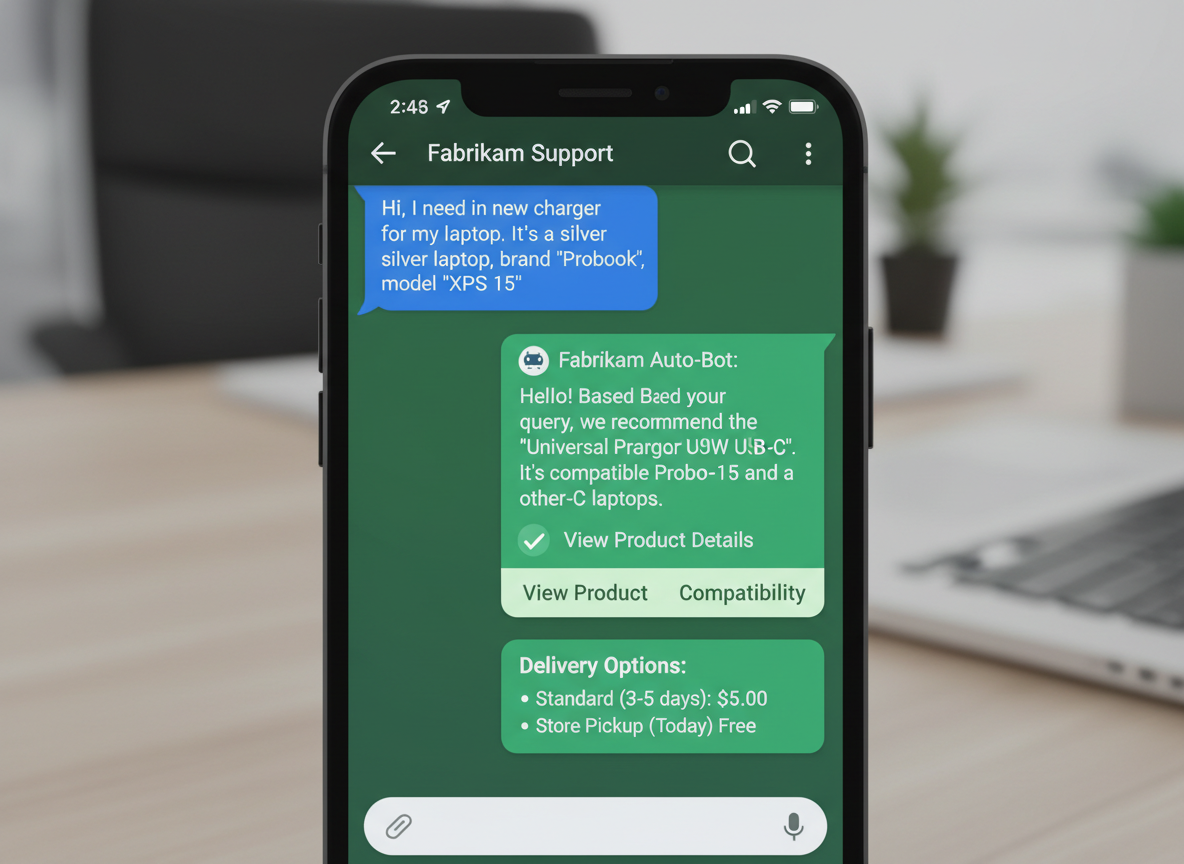
2. Decision and Workflow Management
After understanding a message, the system determines the next step. It can:
- Move the chat toward checkout
- Offer a discount or promotion
- Connect to a sales agent
- Schedule follow-up messages
These workflows adjust automatically based on customer behavior and history. Unlike basic chatbots, the system ensures every interaction moves the conversation toward the most useful action.
3. Data and CRM Integration
Automation works best when it has access to the right information. Each chat should reflect what the business knows about the customer, including:
- Past purchases
- Browsing history
- Engagement patterns
Flowcart combines chats, customer records, and sales data into one platform. This unified system replaces disconnected tools and ensures every conversation adds value.
What are the benefits of using AI in WhatsApp Commerce?
The value of automation in WhatsApp shows up directly in better conversions, engagement, and customer experience. Here is what brands are seeing when they use it well:
- Personalization at Scale-Sends fast, relevant messages using purchase history and past chats. Many brands report up to 20% higher conversions.
- Higher Engagement-WhatsApp messages are read almost instantly (95% within minutes). About two-thirds of users purchase after chatting.
- Fewer Drop-Offs-Keeps discovery, checkout, and confirmation inside chat. Purchases happen faster with fewer redirects.
- Better Customer Data-Chats provide insights on preferences and behavior, helping improve campaigns and retention.
- Always Available-Messages are delivered 24/7, ensuring consistent service across time zones.
What are the top use cases of AI in Whatsapp commerce?
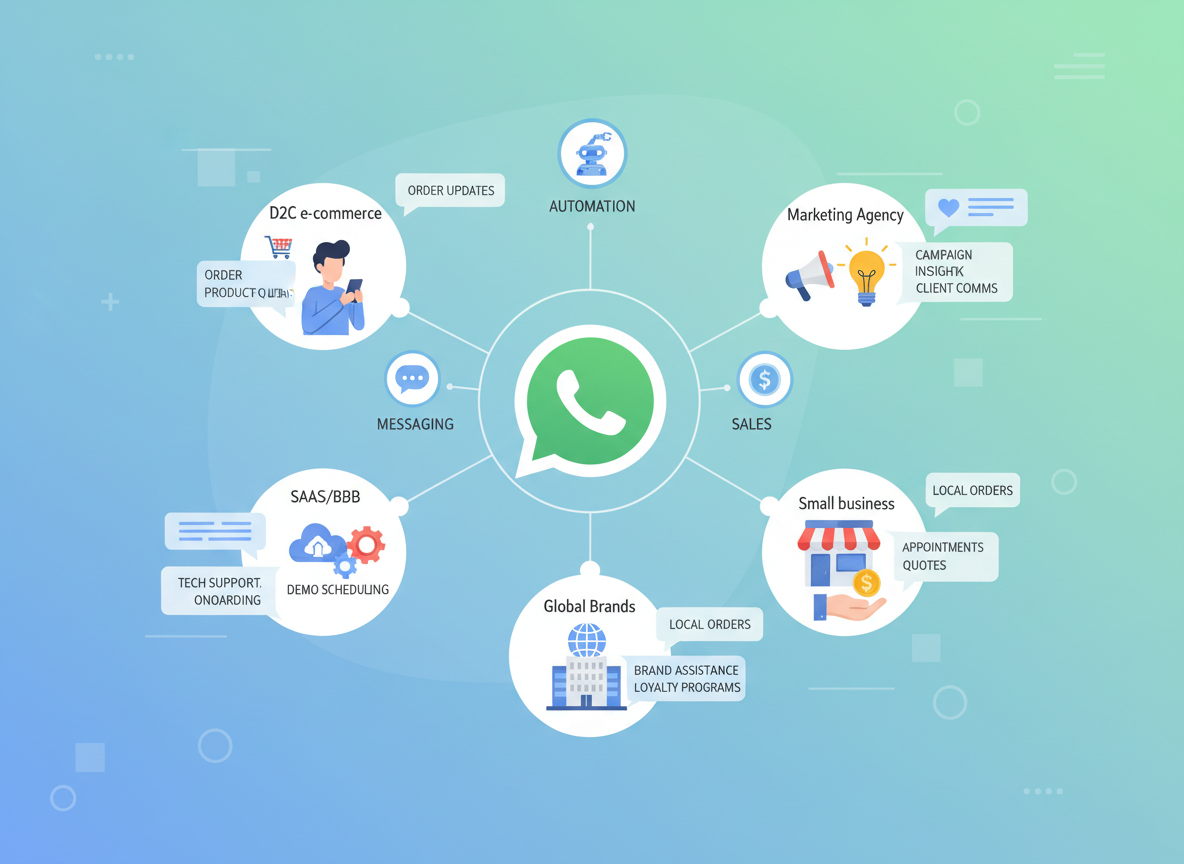
Automation in WhatsApp works for almost any business that chats with customers. It helps brands sell faster, support better, and grow without adding extra staff. Here are some of the best fits:
1. D2C and E-Commerce Brands
Online stores lose many sales to cart abandonment and low repeat purchases. Automation fixes both.It follows up within minutes, helps customers complete purchases, and sends reminders or loyalty offers later.
Best fit: brands with large product ranges, subscription models, or seasonal spikes where manual chat management is hard to scale.
2. SaaS and B2B Companies
Business buyers now expect the same fast and friendly chats they get as consumers.
Automation can qualify leads, send product details, or connect serious prospects directly to a sales rep.It can also help with onboarding, product tips, and renewal reminders.
Best fit: SaaS or service companies that want to engage prospects faster and keep them active after signup.
3. Agencies and Marketing Teams
Agencies running paid or retention campaigns can use automation to manage leads from ads or QR codes directly inside WhatsApp.They can qualify, nurture, and convert leads automatically while tracking results for clients.
Best fit: performance marketers, growth teams, or agencies managing multiple e-commerce clients.
4. Small and Mid-Sized Businesses
Smaller teams often cannot manage every incoming chat. Automation helps handle common requests like product details, order status, or return policies without needing a full support staff.
Best fit: growing businesses in retail, beauty, wellness, or food that want to stay responsive around the clock.
5. Brands Selling Across Markets
For global or multi-country brands, WhatsApp is often the main customer channel. Automation allows real-time, localized engagement without hiring separate teams in each region.
Best fit: brands operating in regions where WhatsApp is dominant, such as Southeast Asia, India, Latin America, and the Middle East.
How Flowcart helps businesses with AI-Powered WhatsApp Commerce
Most brands trying to grow on WhatsApp piece together Shopify, Klaviyo, Zendesk, and a chatbot plugin. The result is a disconnected setup where data does not sync, carts are lost, and customers drop off between tools.
Flowcart fixes this by bringing everything into one simple, connected platform built for WhatsApp. It combines commerce, automation, and CRM in a single system designed to grow sales and engagement.
- Keep Everything in WhatsApp-From product discovery to checkout to post-purchase engagement, customers stay in one chat reducing drop-offs and speeding up purchases.
- Turn Ads and QR Codes into Sales-Leads from ads or QR codes are sent directly into WhatsApp conversations. Automated flows guide them to buy quickly, boosting sales by up to 27% compared to traditional landing pages.
- Smarter Product Guidance-Flowcart helps customers find the right products through chat quizzes and recommendations, making the experience simple and personal.
- Recover Carts and Retain Customers-Automatic follow-ups handle abandoned carts and post-purchase messages, driving repeat sales up to three times higher than email alone.
- Unified Customer Data-Every chat is a record. Past orders, browsing behavior, and engagement history inform every message, so your team has full context without extra tools.
- Drive More Conversions-With WhatsApp’s high engagement, Flowcart converts faster and better than other channels turning conversations into real revenue.
Ready to unlock more sales on WhatsApp?
Book your Flowcart demo today and start converting chats into revenue.
Conclusion
Automation in WhatsApp commerce is not a future trend, it is how brands grow sales, conversions, and customer loyalty without adding more staff. The winners use it to guide conversations, streamline purchase flows, and capture valuable customer insights.
Delaying adoption means losing the advantage of customer data and behavior insights that competitors can use to get ahead.
The data already proves it does 66% of users have purchased after WhatsApp communication, and companies using AI-powered WhatsApp automation see up to 27% sales lifts.
The question is whether you're building the infrastructure to capture that opportunity or watching competitors build moats you'll never cross.
FAQs
Can AI replace human sales reps on WhatsApp?
No. AI handles repetitive tasks like FAQs, cart recovery, and basic queries, while humans focus on high-value conversations. Flowcart ensures every escalation includes full context so reps close faster and smarter.
According to recent data, companies using AI-powered WhatsApp automation see up to 20% higher conversion rates precisely because the system ensures every interaction automated or human is contextually relevant.
How does AI handle multiple conversations simultaneously?
AI manages thousands of chats in parallel, each personalized with real-time customer data. Every message is context-aware so users get instant, relevant responses without delays or confusion.
Is Flowcart AI compliant with WhatsApp regulations?
Yes. Flowcart follows Meta’s Business Platform rules, ensuring 24-hour messaging windows, template approvals, opt-in compliance, and GDPR/CCPA data protection—so you stay fully within policy.
Can AI recommend products based on past purchases?
Absolutely. Flowcart uses purchase history, behavior, and engagement data to deliver tailored product suggestions, replenishment reminders, and cross-sell offers that feel personal and timely.
How do I measure ROI from AI-powered WhatsApp commerce campaigns?
Track conversion rates, recovered carts, repeat purchases, and support deflection all visible in Flowcart’s analytics dashboard. Most brands see up to 27% higher sales after implementing AI automation.